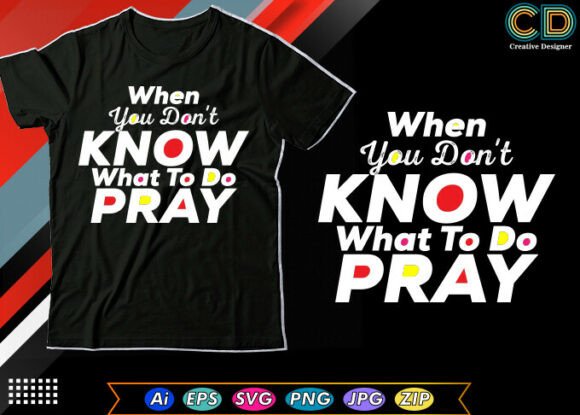
When You Don’t Know What to Do Pray
As a designer who has spent years working with machine embroidery, I’ve learned that the right design can make or break a project. The text-based embroidery design “When You Don’t Know What to Do Pray” caught my attention not just for its message, but for how it could translate into real-world embroidered products. This isn’t just another graphic — it’s a sentiment wrapped in typography, and that alone is worth evaluating carefully.
A First Look at the Design
The phrase “When You Don’t Know What to Do Pray” is delivered in a clean, modern font that feels both comforting and bold. It doesn’t scream; it whispers with purpose. The layout is straightforward, centered, and designed to be read easily at a glance. As an embroidery file, this makes it versatile — especially for tote bag designs, sweatshirts, or even pillow covers where legibility matters more than intricate detail.
I immediately thought of how well this would work on a custom apparel piece like a hooded sweatshirt for a boutique line. The message is personal yet universal enough to resonate with customers looking for something meaningful to wear. It’s also got a gentle spiritual tone that might appeal to those crafting personalized gifts or holiday items. But before jumping in, I always take time to think through how the design will behave once stitched onto fabric.
Real-World Application: Tote Bag Embroidery
Let’s imagine we’re preparing a tote bag for a local artisan market. The customer wants something soft, approachable, and visually clear from across the room. I’d start by opening the JPG file provided with the design to get a sense of the layout and proportions. The editable formats (AI, SVG, EPS) are a plus because they allow for scaling without losing quality — crucial when adjusting the design to fit different product sizes.
For a tote, I’d consider using a combination of satin stitch and running stitch to define the letters and add subtle dimension. The simplicity of the design allows for flexibility in how you apply it. You could keep it flat and minimalist or layer some decorative accents around the border if your target audience leans toward more expressive styles.
This design naturally fits into the category of T-Shirt Designs and Graphics, but its adaptability goes beyond just shirts. Because it’s text-heavy, it works best as a central statement rather than background filler. That said, it’s not overly complex, which is a blessing for hobbyists and Etsy sellers who may not have access to high-end embroidery machines or advanced techniques.
Performance in Different Projects
Here’s where I see this design shining:
- Custom Apparel: Sweatshirts, t-shirts, and hoodies benefit from this kind of impactful yet simple message.
- Baby Clothes: A softer, more delicate thread color palette could make it suitable for baby onesies or bibs with a calm, reassuring tone.
- Embroidered Patches: The text format is ideal for patches, especially if you plan to sew them onto backpacks, jackets, or denim.
- Aprons & Pillow Covers: These items often feature bold statements and this design’s clarity and structure make it a good candidate.
- Holiday Gifts: For Christmas or New Year’s, the message adds a thoughtful touch to towels, ornaments, or gift bags.
- Commercial Embroidery: If you're producing multiple units for resale, the design's consistency and scalability are key advantages.
Where Caution Is Needed
While the design is great for many applications, there are a few areas where you’ll want to tread carefully:
- Small Hoop Sizes: The length of the phrase may require more space than available in smaller hoops. Always check the dimensions before committing to a project.
- Textured Fabrics: If you’re stitching on canvas or denim, the texture can affect how the stitches lay and how visible the text becomes.
- Thin or Stretchy Fabric: Delicate materials may struggle with denser stitch areas. Test on scrap first and consider reducing stitch density if needed.
- Dark Backgrounds: The thread colors should contrast well with the fabric. On black or navy garments, lighter threads will be essential for visibility.
- Curved Surfaces : If you’re embroidering this on a cap or curved surface, you’ll need to adjust the design accordingly. Curves can distort text unless properly formatted.
- Frequent Use Items: Products like tea towels or aprons that undergo regular washing may show wear over time. Choose durable thread types and stabilize appropriately.
Design Impact on Product Value and Customer Reaction
In the world of handmade products and small shop merchandise, the design plays a huge role in buyer engagement. “When You Don’t Know What to Do Pray” offers a visual personality that’s easy to recognize and hard to forget. It’s not flashy, but it carries emotional weight — which is exactly what makes it valuable for personalized gifts and nursery decor.
Customers tend to trust products that feel intentional. When you use a design like this, it shows you care about the message behind the product, not just the aesthetics. That kind of handmade presentation builds brand consistency and increases the likelihood of repeat sales, especially for craft business owners and Etsy sellers.
Thread Color and Stitch Clarity
One thing I noticed while reviewing the design is that it doesn’t specify thread colors. As a designer, this means I have creative freedom — but also responsibility. Choosing the right thread palette is critical. If you go too muted, the design can lose impact. If you go too bright, it might clash with the intended mood.
I recommend testing the design in black and white mockups first to evaluate contrast and stitch clarity. Once satisfied, you can experiment with colors that match your brand identity or the occasion for which the product is intended. For example, red and gold thread combinations could work beautifully for holiday-themed items, while pastels might suit a nursery setting better.
Practical Notes for Embroidery Designers
Before using this machine embroidery design in your projects, here are a few tips to ensure success:
- Test on Scrap Fabric: Especially if you’re new to the design or unsure about how it’ll look on a specific material.
- Review Stitch Density: High-density areas can cause puckering or fraying, particularly on stretchy fabrics.
- Confirm Hoop Size: If the design is large, it might not fit in standard hoops. Measure before proceeding.
- Inspect Small Details: Even though this is a text-based design, subtle spacing or corner treatments can influence the final appearance.
- Use Proper Stabilizer: Especially important for lightweight or woven fabrics to prevent distortion during stitching.
- Check Licensing Terms: Since this is a digital embroidery file, confirm whether it’s suitable for commercial use before selling finished products or digital assets.
Final Thoughts
“When You Don’t Know What to Do Pray” is one of those designs that feels familiar yet fresh. It’s not over-the-top, but it carries a quiet strength that makes it memorable. Whether you're creating a sweatshirt embroidery piece for a client or designing a printable mockup for your next digital product, this design has potential — as long as you understand its limitations and strengths.
If you're considering this for a holiday gift or wedding present, it’s a safe bet. The message is positive, encouraging, and timeless. Just remember to tailor your application to the fabric, the product, and the audience. With a little preparation, this embroidery project can become a standout item in your design assets library.