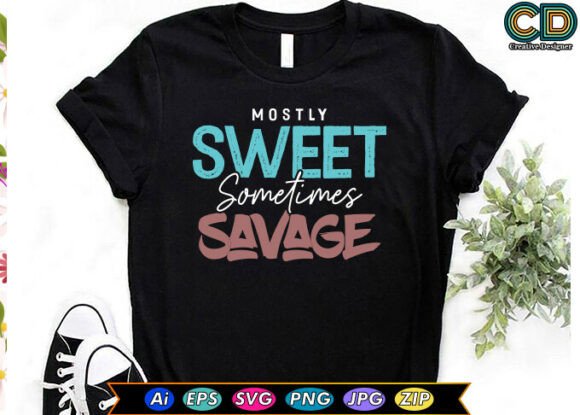
Mostly Sweet Sometimes Savage Embroidery Design Review
Real-Life Application: What Works Well
I recently considered using Mostly Sweet Sometimes Savage for a custom embroidered tote bag order from a client who wanted something unique for her daughter's birthday. The design had a natural fit with the project—its bold yet colorful presence made it stand out against the cotton canvas fabric.
- Custom Apparel: This design shines on sweatshirts and t-shirts, particularly in light-colored fabrics where the color palette really pops. The use of satin stitch and fill stitch techniques gives it a polished look suitable for personal or commercial embroidery projects.
- Baby Clothes & Gifts: When resized appropriately, the softer elements make it a good candidate for baby items like onesies or plush toys, though the "savage" edge should be dialed back to maintain appropriateness.
- Tote Bags & Aprons: The design's layout allows for flexibility in placement, making it great for tote bags or aprons where space isn't limited. Its layered appearance gives dimension and helps elevate the overall product value.
- Commercial Use: For Etsy sellers and craft businesses, this design could become a signature element in their product lineup. Its editable formats (AI, SVG, EPS) allow for easy customization, which is essential when creating design assets for multiple clients or branding purposes.
What impressed me most was how the design maintained its visual appeal across various mockups. In printable previews, the colors remained vibrant and the lines crisp. On a white sweatshirt, it felt fresh and youthful. On a darker fabric, the contrast was more dramatic, turning the piece into a statement item rather than background decoration.
Where to Be Cautious: Limitations and Considerations
While Mostly Sweet Sometimes Savage is versatile, there are certain scenarios where extra attention is needed. One thing to note is that due to its detail level, it may struggle in smaller hoop sizes. If you're planning to use it on a cap or patch, resizing without losing quality will require careful editing of the SVG or AI file to simplify areas where necessary.
- Small Hoop Sizes: The design contains some fine details that might not translate well on very small embroidery hoops. Always check the minimum recommended hoop size before proceeding.
- Textured or Thin Fabrics: On fabrics like linen or jersey, the stitch density and thread color visibility may need adjustment. I recommend testing the design on scrap fabric first to avoid any unexpected results.
- Stretchy Materials: Stretchy fabrics like knits can distort the design if not stabilized properly. Using a proper stabilizer is crucial here to preserve the structure of the embroidered image.
- Dark Backgrounds: While the design works on dark fabric, it requires thread colors with high contrast. Otherwise, the "sweet" parts may get lost in shadow. A black and white mockup test is a quick way to assess this before purchasing threads.
- Curved Surfaces: The design's layout is better suited for flat areas. Placing it on curved surfaces like caps or mugs may cause distortion unless you have the skills to manually adjust the curves within the vector files.
Thread Colors and Stitch Clarity
Also, keep an eye on the stitch density in areas with heavy fill work. Too much saturation can lead to puckering or fabric pilling, especially after frequent washing. This is a concern if the design is intended for holiday gifts or everyday wear like tea towels or pillow covers.
Design Impact on Your Business and Brand
Using Mostly Sweet Sometimes Savage in your handmade product offerings can significantly boost buyer engagement. It adds a layer of sophistication and uniqueness that customers notice. Whether you're an Etsy seller looking to expand your graphics collection or a small business owner wanting to offer branded merchandise, this design has the potential to increase the perceived value of your items.
- Customer Trust: High-quality designs like this one reflect professionalism, which builds trust. Clients know they're getting a finished product worth paying for.
- Brand Consistency: If your brand leans into fun, quirky aesthetics with a touch of edge, this design fits seamlessly into your visual identity. It’s recognizable and repeatable across different mediums.
- Giftability: From holiday gifts to wedding favors, the design's duality makes it a conversation starter. It’s also a great option for personalized products like monogrammed pillows or nursery decor.
- Handmade Presentation: The design complements the handmade feel of many craft fair products and boutique items. Its visual richness elevates simple textiles into thoughtful, curated pieces.
Designer Notes: Practical Tips for Real Projects
- Test First: Always run a sample on scrap fabric to evaluate how the stitch count and thread choices interact with the material.
- Review Thread Contrast: Especially important for dark fabric backgrounds. Adjust colors or consider using metallic threads to enhance visibility.
- Check Stitch Density: Dense stitch areas can cause issues if not balanced with proper tension and stabilizer use. Look for ways to optimize these sections if you plan to mass-produce.
- Confirm Hoop Size: Since no exact measurements were provided, make sure your machine supports the size required by the design.
- Inspect Small Details: If the design features tiny lettering or decorative accents, zoom in and ensure they remain legible and intact after resizing.
- Mockup Testing: Run black and white versions on both light and dark backgrounds to understand how it translates in real-world conditions.
- Use Proper Stabilizer: Especially on stretchy or thin materials. The right stabilizer can prevent distortion and improve stitch definition.
- Licensing Check: Before selling finished products or digital embroidery files, verify whether the design comes with commercial use rights. This is critical for maintaining legal compliance in your craft business.