Find a Way, Not an Excuse: A Designer’s Practical Review
As an embroidery designer and product reviewer with years of hands-on experience, I often find myself evaluating graphics like Find a Way, Not an Excuse not just for their visual appeal but for how they translate into real-world stitched projects. This design is more than just text — it’s a bold message that can add character to your handmade creations or commercial offerings. Let me walk you through what this graphic brings to the table and where it shines best in actual use.
A Strong First Impression
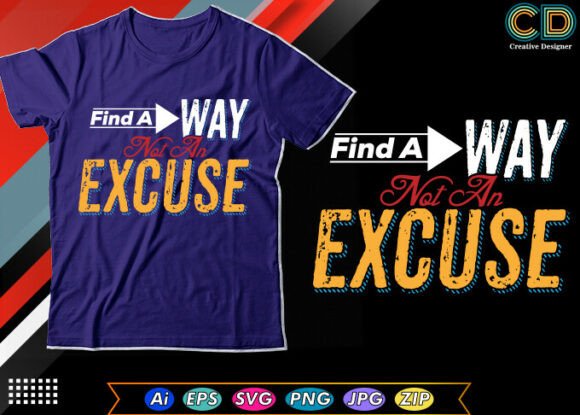
The first thing I noticed about Find a Way, Not an Excuse is its confident, motivational tone. The phrase itself is classic and versatile — perfect for custom apparel, gift items, or branding materials. It's arranged in a way that feels intentional, with spacing and flow that make it easy to read even from a distance. The typography is clean but has enough personality to stand out without being over the top. This kind of balance is crucial when choosing a design that needs to be both legible and stylish after stitching.
Visually, the layout is straightforward, making it adaptable across various products. It doesn’t rely on intricate details or complex patterns, which is a big plus for machine embroidery designs. That said, the transparent background option gives you flexibility if you want to layer it or apply it to textured surfaces, which is a thoughtful touch for crafters looking to get creative.
Best Suited For?
This design naturally fits into a few key categories:
- Tote bag design — where a short, impactful message looks great and is easily readable.
- Sweatshirt embroidery — especially if you're aiming for a minimalist yet meaningful aesthetic.
- Embroidered patches — as a standalone applique or part of a larger patch collection.
- Boutique branding — for small shop product labels or logo placement on aprons and baby clothes.
Its no-nonsense vibe makes it ideal for personal mementos, holiday gifts, or anything that communicates empowerment and determination. You can see it working well on a cozy sweatshirt for a client who wants to express resilience or on a personalized pillow cover for a handmade gift.
Real-World Embroidery Performance
I recently tested Find a Way, Not an Excuse on a custom embroidered tote bag for a local wellness store. The goal was to create a reusable, branded item that customers could feel proud to carry. The design came in multiple editable formats like SVG and EPS, which made resizing and tweaking the layout easy. I appreciated the ability to adjust colors to match the brand’s palette before finalizing the stitch file.
Once stitched, the result was sharp and professional. The text didn't bleed or distort, even when using a slightly stretchy cotton-linen blend fabric. However, I did notice that some of the thinner lines required a bit more attention during the digitization process to ensure they held up after washing. This is where having access to the original AI or SVG files becomes incredibly useful — you can tweak the outlines and prepare them for optimal stitch rendering.
For custom apparel, I recommend using a satin stitch along the edges of the text for a polished look. If you’re going for a bolder statement, consider adding a fill stitch behind the letters for extra depth. But remember, dense areas can lead to puckering if you don’t use the right stabilizer and adjust stitch density accordingly.
Where to Use With Caution
While Find a Way, Not an Excuse is a solid choice for many applications, there are scenarios where it might require extra care:
- Small hoop sizes: The design isn’t compact, so you’ll need at least a medium-sized hoop (around 6x10 inches) to fit it comfortably without distortion.
- Textured fabrics: On canvas or flannel, the fine lines may lose definition. Consider simplifying the design or increasing the contrast of thread colors.
- Thin or stretchy fabric: These materials can cause misregistration or stretching, especially in longer words. Always test on scrap fabric first.
- Dark fabric backgrounds: Thread color contrast is essential. White or light-colored threads will pop better than black on dark backgrounds.
- Curved surfaces: When applying to caps or curved seams, keep in mind that lettering may need slight adjustments to follow the shape without warping.
- Densely stitched areas: Some parts of the design may have tight curves or corners. Be sure to review the stitch paths to avoid breakage or skipped stitches.
If you're planning to use this design on products that undergo frequent washing, such as babies' clothes or kitchen towels, take time to reinforce high-stitch areas and use quality threads for durability.
Impact on Your Handmade Product and Brand
What really stands out is how this design elevates the visual appeal and perceived product value. It adds a sense of purpose to any item it's placed on. Customers respond well to messages that resonate emotionally, and this one does exactly that. Whether it's a personalized gift or a commercial embroidery project, the design helps tell a story and builds customer trust.
For Etsy sellers and craft business owners, this type of handmade product can serve as a strong differentiator. It's the kind of design asset that can become a signature element in your shop. Imagine it on a set of kitchen towels or a curated line of holiday gifts — it instantly adds a layer of intentionality that buyers notice.
From a branding perspective, using Find a Way, Not an Excuse consistently across your small shop product range can help build recognition. It works well with other embroidery file elements like borders or icons, especially since it comes with a transparent background. Just make sure the rest of your design assets align visually with this font style and message tone.
Designer Notes and Tips
Before committing to a full production run or creating a printable mockup for your digital product preview, here are some practical steps I recommend taking:
- Test the design on scrap fabric — this allows you to catch any potential issues with stitch behavior or fabric compatibility.
- Check thread color contrast — especially if you're using it on dark or patterned materials. Sometimes a white or cream thread can give the best visibility.
- Review stitch density — too loose and it looks flat; too tight and it risks puckering. Adjust based on the fabric texture and thickness.
- Confirm hoop size — don’t assume it will fit unless specified. Resize the design carefully while preserving proportions.
- Inspect small details — since the design is primarily text-based, check that each letter is clearly defined and spaced correctly.
- Use proper stabilizer — especially on delicate or stretchy materials. Tackiness or tear-away options vary depending on the fabric.
- Test in black and white — to see how it would look if printed or used in grayscale, which can be handy for mockups or alternative versions.
- Compare light and dark fabric backgrounds — the same thread colors won’t perform equally well on all fabrics.
- Check whether the design works for both personal and commercial projects — and always confirm licensing before selling finished items or digital embroidery files.
Giftability and Engagement
One of the strengths of Find a Way, Not an Excuse is its universal appeal. It’s a message that speaks to adults and teens alike, making it a great choice for personalized gifts and holiday embroidery. As someone who sells handmade products online, I’ve seen how such empowering phrases can boost buyer engagement. They don’t just buy the item — they buy the sentiment behind it.
When applied to a nursery decor piece or a custom apron for a boutique, the design feels intentional and meaningful. It can also work surprisingly well as part of a running stitch border on a decorative pillow case, giving it subtle movement and interest.
Final Thoughts for Creative Entrepreneurs
In summary, Find a Way, Not an Excuse is a versatile and powerful machine embroidery design that works well for both freebies and paid graphics. Its simplicity is its strength — it doesn’t demand a lot of detail, but it carries a message that people connect with.
As a seasoned embroiderer, I’d say this design is best suited for mid-to-large format projects where clarity and emotional impact matter. Avoid using it on very small spaces or highly textured materials unless you're prepared to spend some time refining the stitch file.
Whether you're an apparel decorator, a digital product seller, or simply a hobbyist looking to elevate your embroidery project, this design offers a good foundation. Just remember to adapt it thoughtfully to your specific use case and materials.
Give it a try, but go the extra mile — test it thoroughly, adjust thread colors, and choose the right stabilizer. After all, the difference between a good design and a great one is in the execution. And when done right, Find a Way, Not an Excuse can turn a simple handmade product into something truly memorable.